

- Save your dog's profile and update it any time
- Receive exclusive offers and discount codes
- Feeding guide recommendations for your dog
- Get personalised Subscribe and Save offers






Featured Products
Vet Approved
£3.00
Just like humans, brushing your dog’s teeth is an effective way to ensure their dental hygiene is the best it can be. With 87% of dogs over the age of three developing periodontal disease, preventing the build-up of plaque and tartar through regular brushing is an important step in reducing this susceptibility.
The prospect of brushing your dog’s teeth may seem daunting – particularly if your dog doesn’t allow you near their mouth – and it may take some time to get your dog used to a toothbrush, but our handy guide is here to help make this new dental routine a little easier.
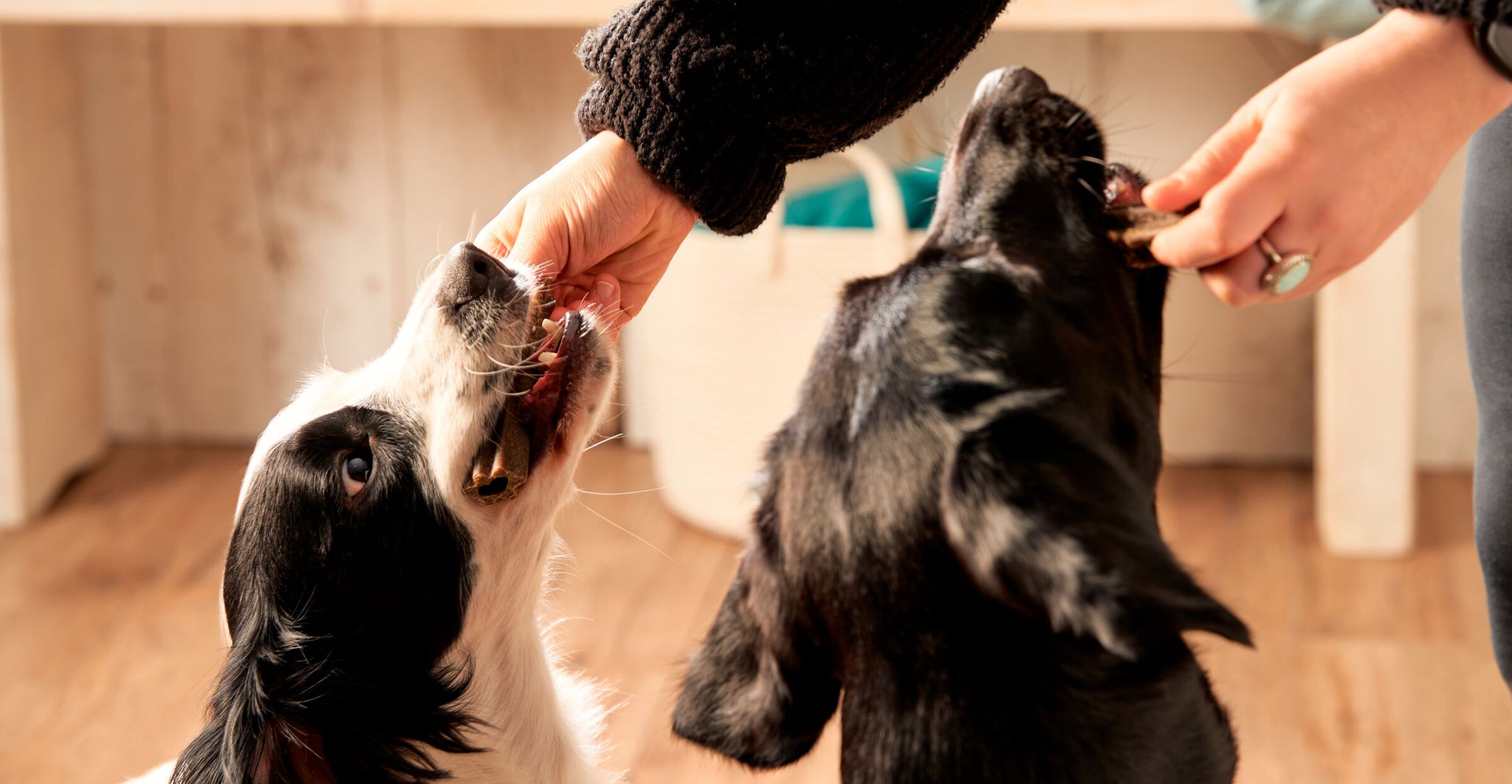
Introducing brushing as early as you can – especially when your dog is a puppy – is a good way to make this activity part of their daily routine from the offset. For many dogs, brushing becomes a part of their day that they expect and can even enjoy. The training process for older dogs may take a little longer, but introducing gradually will make it easier.
Making the experience of teeth brushing as comfortable and enjoyable as you can will make establishing a dental routine with your dog easier. As a starting point, you can help your dog feel more at ease when having your hands near their head and mouth by training them to rest their chin in your hand and by slowing introducing touching their mouth and teeth.
Next, try rubbing your finger or soft cloth over the outside surfaces of your dog’s teeth, focusing on the area where the gum meets the tooth. Once your dog feels more comfortable, let them taste some dog toothpaste from your finger to get them familiar with the taste. You can then begin rubbing it over their teeth.
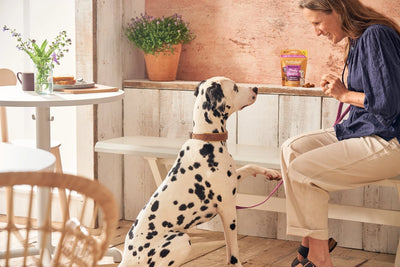
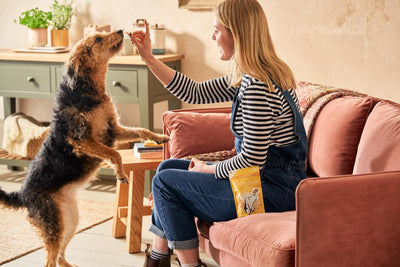
Our dog training treats are a great way to reward your dog throughout these initial stages, and to help the experience feel more positive for both you and your dog. If your dog looks to be uncomfortable during any of these initial training steps, take a break and retry a little later.
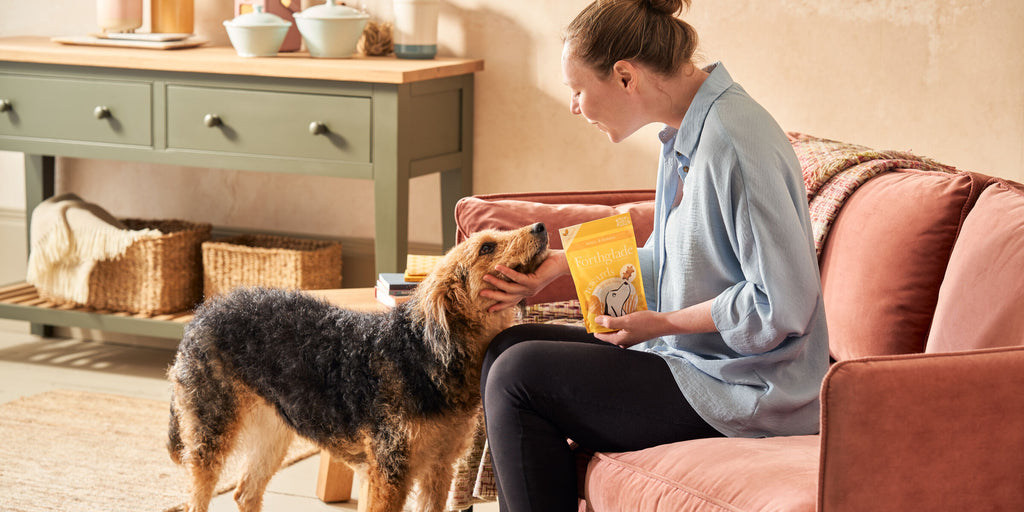
After your dog adjusts to you touching the inside of their mouth and teeth, you can get started on tooth brushing:
Don’t forget to reward them after each step with praise and treats throughout the process.
No, it’s important that you only use a toothpaste specifically designated for dogs. Human toothpastes include ingredients such as high levels of sodium and artificial sweeteners that can cause an upset stomach for dogs.
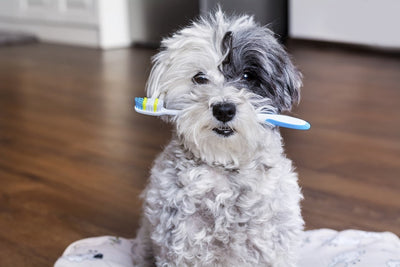
These are a number of toothbrushes that are specifically designed for dogs too which come in a number of variations and sizes, including finger brushes that fit over the tip of your finger, brushes with multiple heads, and brushes with angled handles. The brush you choose to use will come down to personal preference and the size of your dog. Remember to replace the toothbrush every three months and to rinse it thoroughly after use.
To maintain health teeth and dental care, it is best that you brush your dog’s teeth 2-4 times a week – even better if you and your dog feel comfortable to brush their teeth every day. Regular brushing prevents plaque from building and hardening on your pet’s teeth, reducing the risk of dental disease.

Taking good care of your dog’s teeth ensures that they remain in tip-top condition throughout their life, and prevents your dog getting dental disease and the build-up of plaque and tartar which can lead to inflamed gums or gingivitis. If left untreated, gingivitis can develop into a more serious gum disease known as periodontal disease, which may lead to the loss of bone and soft tissue around the teeth. There are additional dental practices that you can incorporate into your dog’s dental routine to ensure healthy gums, strong teeth and fresh breath too.
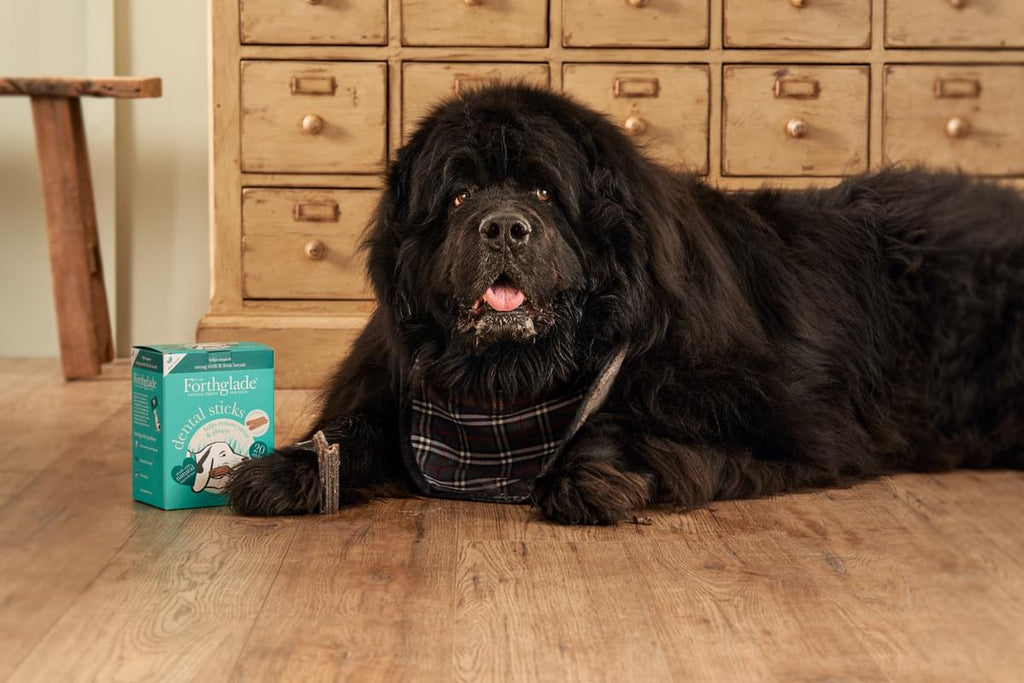
Not all dogs will feel entirely comfortable with having their teeth brushed, especially if regular brushing hasn’t always been part of their routine. Our suggestions below may help you address this.
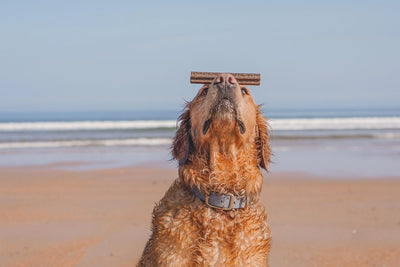
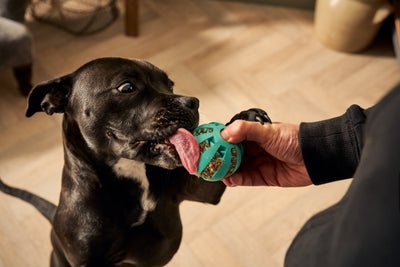
To ensure the best oral hygiene for your dog, nothing really beats tooth brushing. However, there are also additional food types, treats and dental chew toys that can help dental hygiene alongside brushing. Food items such as dental sticks in particular are designed to support strong teeth, help remove tartar and plaque, and freshen breath with their added calcium.
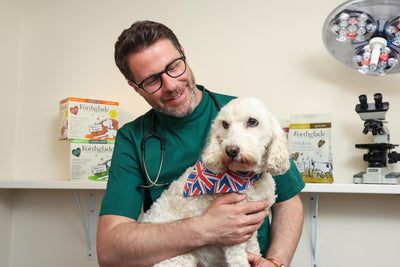
Looking to learn more? Our Vet Dr James Greenwood shares more tips to help you keep your dog’s teeth sparkling clean

• kg • active • Likes: all recipes
Daily

Daily (approx 2 trays)
Email your recommendations